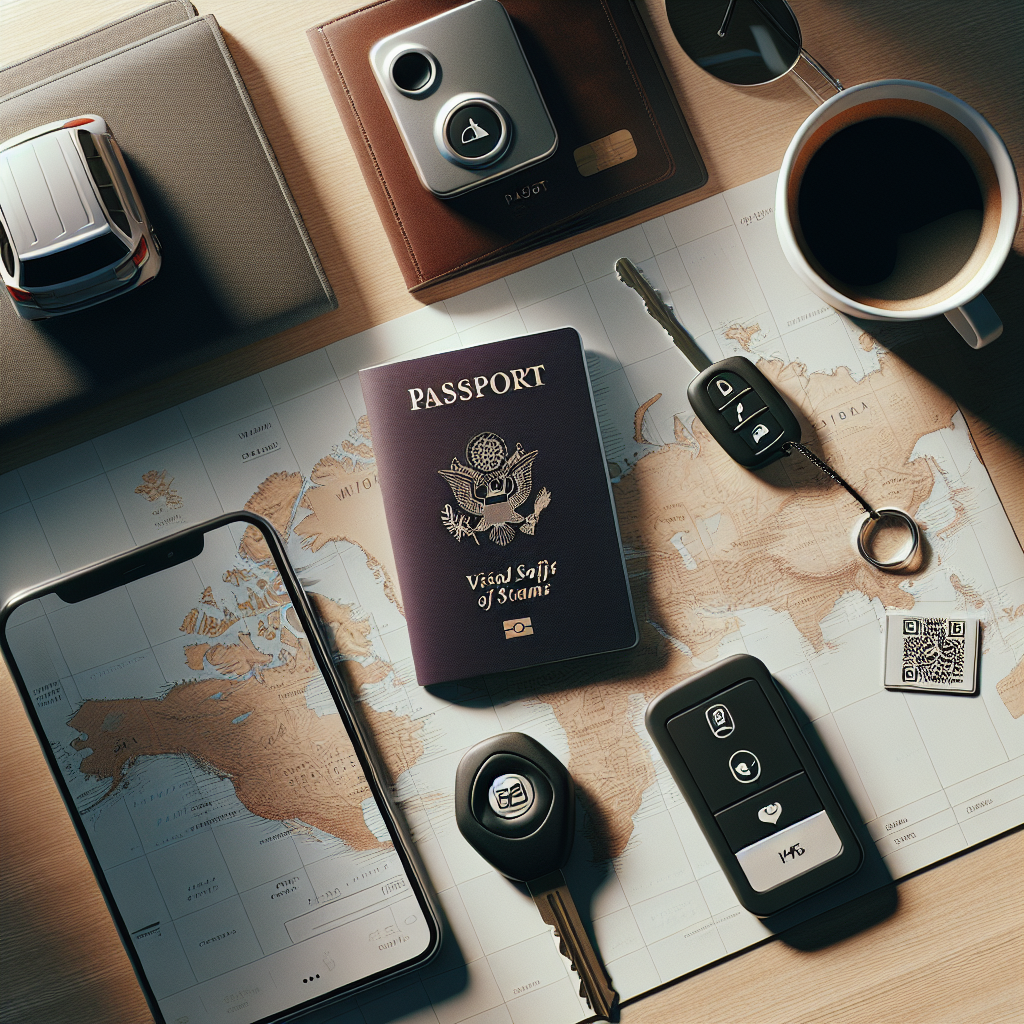
Travel guides: destinations, visas, car rentals and trip planning
Whether you are planning a weekend city break or a month-long international trip, good preparation turns uncertainty into enjoyment. This guide covers how to choose destinations, handle visas, rent cars and plan an efficient, safe itinerary.
Choosing destinations
Start by narrowing your options according to interests, budget and season. Consider the following approaches:
- Theme-based: culture, beach, nature, culinary, adventure.
- Budget-based: low-cost regions, shoulder-season travel, deals and flight hubs.
- Accessibility: direct flights, visa requirements, health advisories.
Research local highlights and read first-hand reviews to set realistic expectations. Create a short list of must-see attractions and one or two backup activities for each day to avoid overpacking your schedule.
Visas and entry requirements
Check entry rules early
Visa policies vary widely and can change with little notice. Verify entry requirements at least two months before departure. Use official government websites, embassy pages or trusted visa services for up-to-date information.
Types of visas and common tips
- Visa-free: Short stays where no pre-approval is needed.
- eVisa: Apply online and get approval before travel.
- On-arrival visas: Available at ports of entry but may require documentation or fees.
- Long-stay or work visas: Require detailed application, sponsors or proof of funds.
Always carry digital and printed copies of your passport, visa approval letters and supporting documents. Confirm passport validity — many countries require six months remaining after your planned return date.
Car rentals: getting the best deal
Book smart
Reserve early, compare local and international providers, and watch for hidden fees like airport surcharges, underinsured collision waivers, or mileage limits. Use aggregator sites to compare prices but read the rental terms thoroughly.
Insurance and documentation
- Check whether your personal car insurance or credit card covers international rentals.
- Inspect the vehicle on pickup and document any existing damage with photos and written notes.
- Understand local driving rules, toll systems and parking regulations.
Choose the right vehicle size for roads you will encounter — small cars for narrow city streets, SUVs for rural or mountain routes.
Trip planning and budgeting
Effective planning balances flexibility with structure. Key steps include:
- Set a realistic budget for accommodation, transport, food and activities.
- Map a logical route to minimize travel time and costs.
- Book critical items in advance: international flights, long-distance trains, and popular attractions.
- Leave buffer time for delays and unexpected discoveries.
Use apps for itinerary management, currency conversion and offline maps. Track expenses daily to avoid surprises and prioritize experiences that matter most to you.
Packing, health and safety
Pack versatile clothing, essential medications, copies of travel documents and a small first-aid kit. Check vaccinations and travel advisories for your destination. Register with your embassy if traveling to regions with higher risk.
Final tips
Be adaptable: weather, transport or opening hours can change plans. Always have a plan B and enough local currency for emergencies. Leverage local knowledge — guides, hostel staff or community groups can point you to authentic experiences beyond guidebooks.
With deliberate planning for destinations, visas, car rentals and budgets, you can reduce friction and increase enjoyment. Travel responsibly, respect local customs, and stay curious — the best memories come from being present and prepared.